

Endodoncia pediátrica
A Commitment to Children’s Dental Care
Before completing my endodontic residency more than 25 years ago, I practiced public health dentistry focused exclusively on pediatric patients. During those years, I saw firsthand the challenges of treating deep decay and pulp injuries in developing permanent teeth.
One experience in particular shaped my approach to pediatric endodontics. A young patient with a partially erupted first molar was treated conservatively with a pulp cap, but the condition progressed rapidly into an abscess that required hospitalization. Although the treatment was well intentioned, the outcome made me reevaluate how these cases could be managed more predictably and conservatively for children.
That experience ultimately led me to pursue advanced endodontic training and seek better long-term solutions for preserving young permanent teeth.
Advanced Vital Pulp Therapy for Children
During my residency, I attended a lecture by endodontist George Bogan, who was researching the use of Mineral Trioxide Aggregate (MTA), originally developed at Loma Linda University.
Working in a hospital-based pediatric setting, Dr. Bogan reported exceptionally high success rates using MTA pulpotomies to treat asymptomatic pulp exposures in permanent teeth. His work demonstrated that many young teeth could be preserved without traditional root canal treatment.
Inspired by these results, we incorporated these techniques into our practice and have continued to see excellent outcomes for pediatric patients over the past two decades.
When Is a Root Canal Necessary?
Whenever possible, our goal is to preserve the vitality of a child’s tooth. En algunos casos, sin embargo, the pulp may already be irreversibly inflamed or necrotic, making root canal treatment necessary. For children, this determination can sometimes only be made during treatment.
To ensure accurate diagnosis and precise care, we utilize advanced technologies including:
- CBCT (3Imágenes D)
- Optical microscopes
- 3D visualization systems
- Advanced disinfection protocols
We also offer the GentleWave Procedure, which uses acoustic energy and optimized fluids to remove bacteria and biofilm from areas that traditional files and irrigation may not fully reach.
Restoring the Tooth After Treatment
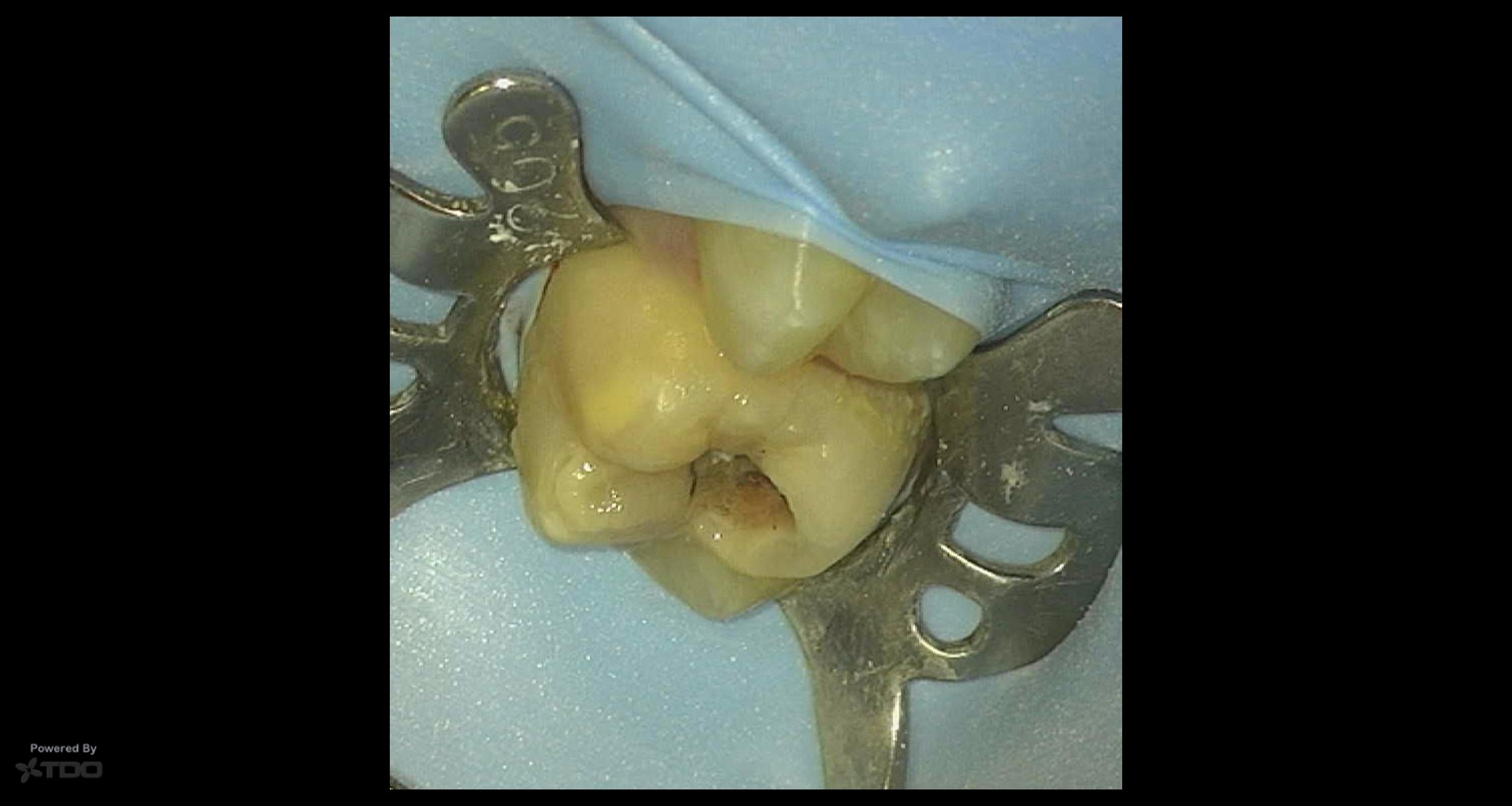
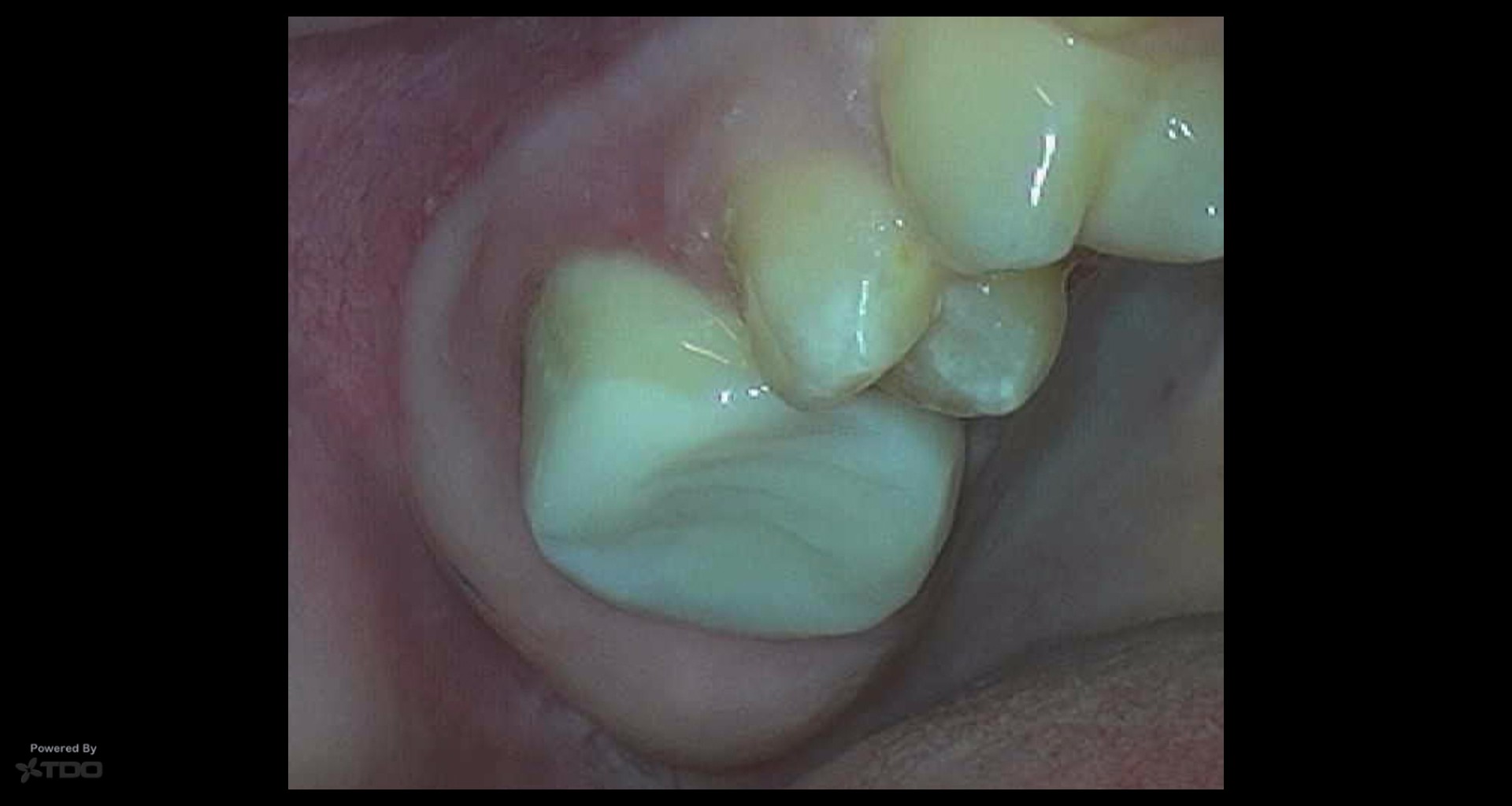
Following endodontic treatment, we provide durable, esthetic restorations using the Bioclear Method.
Benefits include:
- Minimal tooth reduction
- Strong, long-lasting reinforcement
- Natural esthetics
- Single-visit completion whenever possible
Our goal is to preserve as much healthy tooth structure as possible while providing a restoration that can serve your child well for many years.
Comfort-Focused Care in Our Carlsbad Facility
Our newly built office in Carlsbad was designed to accommodate complex and specialized endodontic care in a calm, ambiente cómodo.
Features include:
- Fully enclosed treatment suites
- Nitrous oxide sedation
- Anesthesiologist-supported sedation when needed
- Child-friendly, cuidado compasivo
We understand that dental treatment can feel overwhelming for children and parents alike, and we strive to make every experience as comfortable and reassuring as possible.
Questions Parents Should Ask
If your child is being referred for endodontic treatment, these are important questions to discuss with the treating doctor:
- What are the treatment options for my child’s tooth?
- Is it possible to avoid a root canal?
- How will the tooth be restored afterward?
- What is the long-term prognosis?
- How long is the restoration expected to last?
We’re Here to Help
We welcome referrals for pediatric endodontic evaluations and are always happy to discuss treatment options directly with parents or referring doctors. Please contact our office to learn more or schedule a consultation.